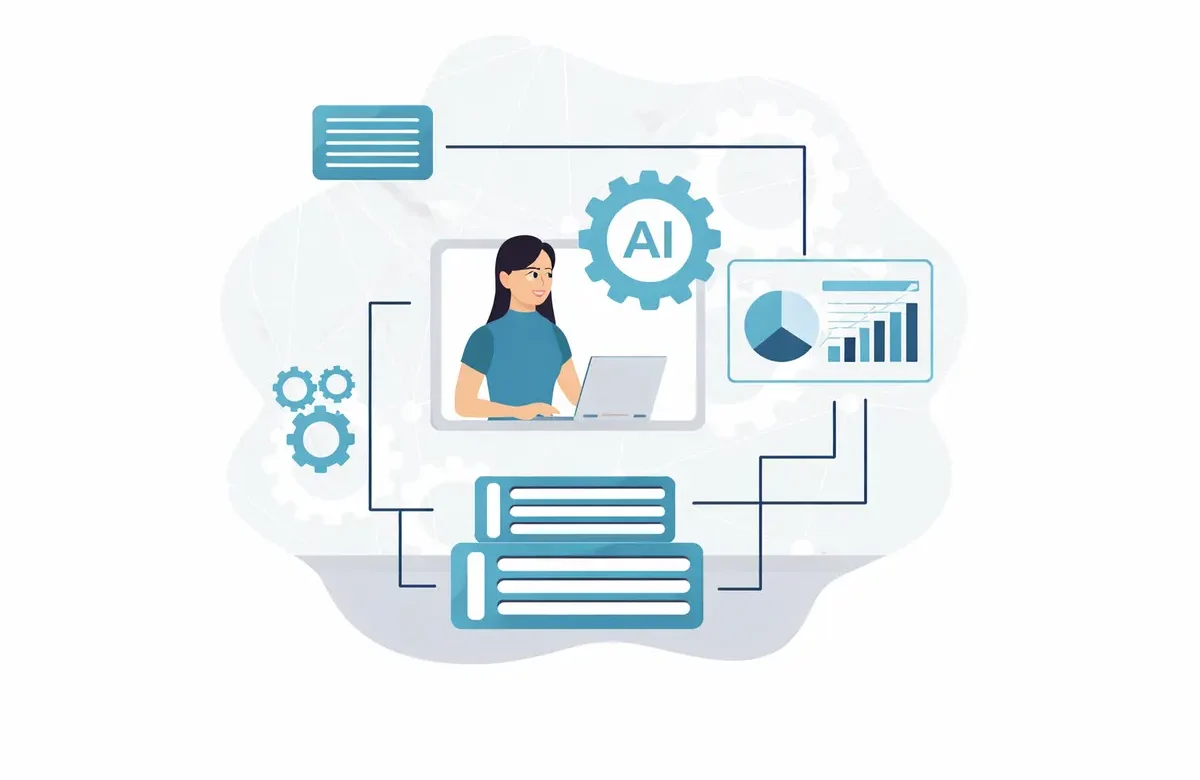

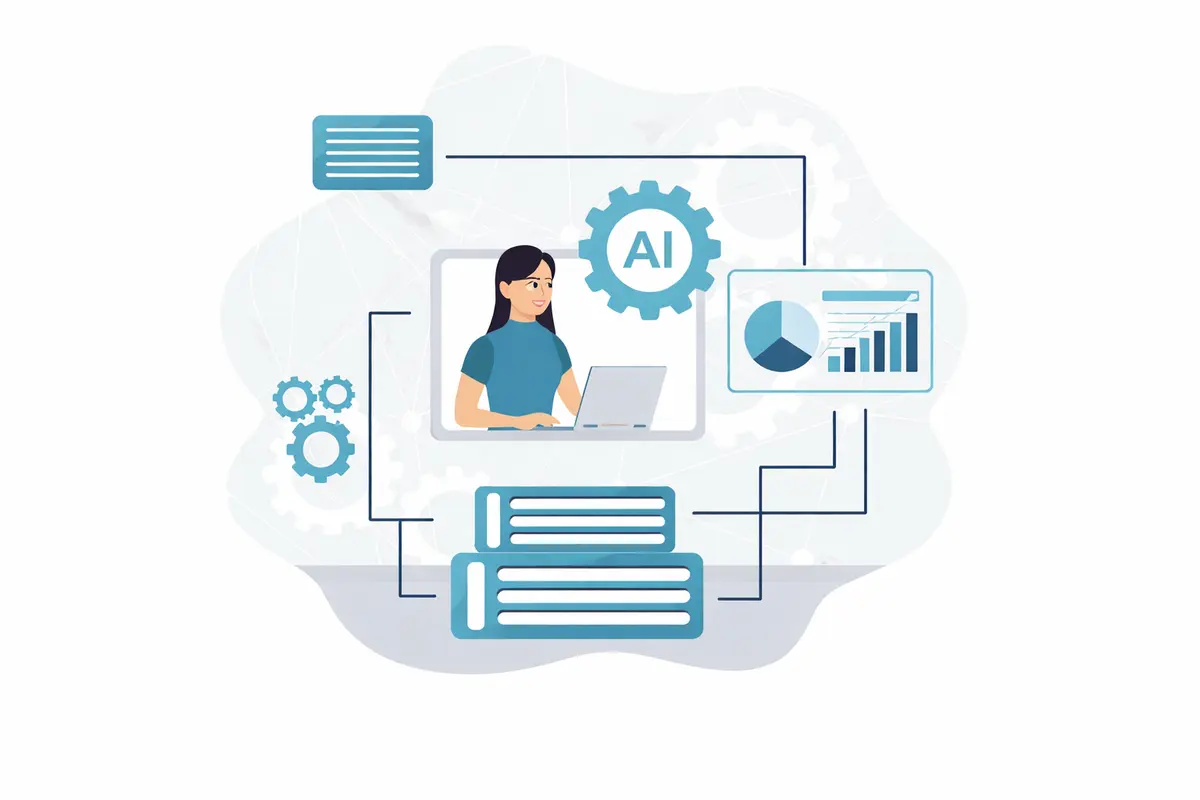
AI Workflow Automation for Growing Companies: Transforming Business Operations
Parix AI Team
Modern growing companies face increasing operational complexity as teams expand, customer demands rise, and internal processes multiply. Many organizations still rely on manual workflows, email approvals, spreadsheets, and disconnected systems that slow productivity and create operational bottlenecks.
AI workflow automation for growing companies provides a smarter alternative by replacing repetitive manual processes with intelligent, data-driven systems. Instead of reacting to delays and inefficiencies, businesses can automate workflows, improve decision-making, and scale operations with greater speed and accuracy.

What Is AI-Powered Workflow Automation?
AI-powered workflow automation combines artificial intelligence with traditional automation to manage, execute, and optimize workflows automatically. Unlike rule-based automation that follows static instructions, AI-driven workflows can analyze data, recognize patterns, and adjust actions in real time.
This means workflows are no longer rigid sequences of steps. They become intelligent systems capable of prioritizing tasks, handling exceptions, and recommending next actions based on real-world conditions. As a result, businesses gain greater flexibility and resilience in their operations.
Manual vs AI-Powered Workflows
Manual workflows depend heavily on human intervention at every stage. Tasks are assigned manually, approvals move through emails, and reporting often requires spreadsheets. As a company grows, these systems become slow and error-prone.
AI-powered workflow automation, on the other hand, uses intelligent rules and data analysis to automatically route tasks, prioritize approvals, and generate insights in real time. This reduces delays, eliminates repetitive work, and ensures consistency across departments.
For growing companies, the difference is significant: manual systems increase complexity, while intelligent workflow automation reduces it.
Key Benefits of AI-Powered Workflow Automation
One of the most significant advantages of AI-powered workflow automation is improved operational efficiency. By reducing manual intervention, businesses can accelerate processes and eliminate repetitive tasks. Teams spend less time managing workflows and more time focusing on high-value work that drives growth.
Another major benefit is enhanced decision-making. AI analyzes large volumes of data across workflows to identify trends and insights that humans may overlook. This leads to more consistent and informed decisions, reducing reliance on guesswork and improving outcomes.
Cost reduction is also a critical benefit. Fewer errors, faster execution, and optimized resource allocation contribute to lower operational expenses over time. In addition, real-time visibility into workflows allows organizations to identify inefficiencies early and continuously optimize performance.
How AI-Powered Workflow Automation Is Used in Business
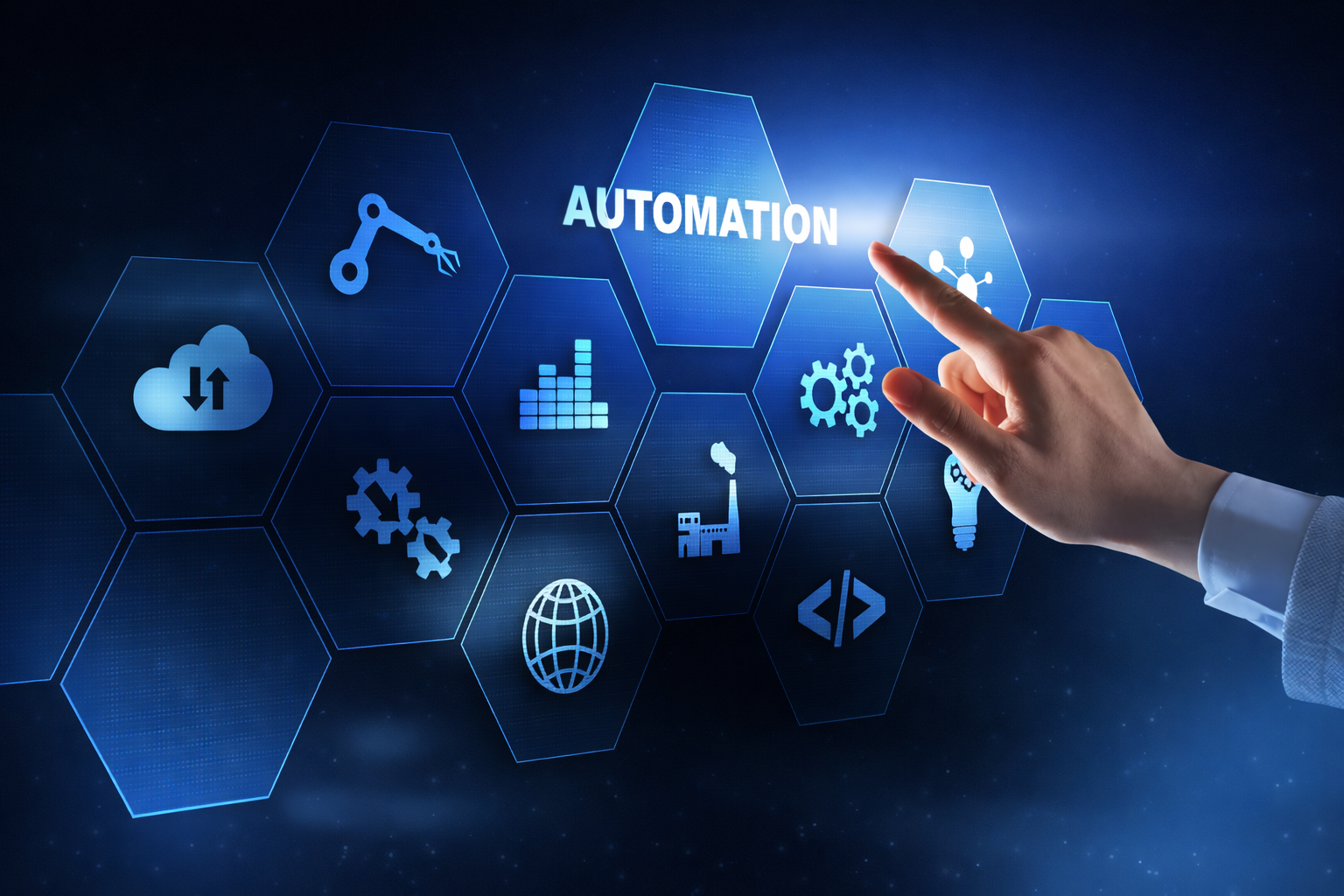
Across industries, AI-powered workflow automation is being applied to improve core business functions. Operations teams use it to manage complex processes such as order fulfillment and supply chain coordination. Customer support teams rely on intelligent workflows to route inquiries efficiently and reduce response times. Sales, marketing, finance, and HR departments also benefit from automation that improves accuracy, compliance, and speed.
What makes AI-powered workflow automation especially valuable is its ability to adapt across use cases. As business needs evolve, workflows can be adjusted and optimized without requiring extensive redesign or manual effort.
Implementing AI-Powered Workflow Automation Successfully
Successful implementation of AI workflow automation for growing companies begins with identifying processes that are repetitive, time-consuming, and critical to business performance. These workflows typically offer the highest return when organizations decide to replace manual processes with automation.
Data quality and proper system integrations are equally important, as intelligent workflow automation depends on reliable, connected information across platforms such as CRM, finance, HR, and support systems. Seamless integrations ensure workflows operate smoothly without creating new operational bottlenecks.
Equally critical is preparing teams for change. Employees should understand how AI-powered workflows enhance productivity and reduce repetitive tasks rather than replace human expertise. With proper training, communication, and gradual implementation, growing companies can ensure smooth adoption and long-term success.
How AI-Powered Workflow Automation Is Used in Business
Successfully implementing AI workflow automation requires a structured approach:
Identify repetitive and time-consuming processes.
Map your existing workflows to detect inefficiencies.
Choose automation tools that integrate with your current systems.
Start with one high-impact workflow before scaling.
Monitor performance and continuously optimize processes.
By starting small and scaling strategically, businesses can reduce risk while maximizing return on automation.
The Future of Business Operations
AI-powered workflow automation is shaping the future of business operations. As AI technologies continue to advance, workflows will become increasingly predictive and autonomous. Businesses that embrace intelligent automation today will be better positioned to adapt to change, scale efficiently, and maintain a competitive edge.
Conclusion
Transforming business operations with AI-powered workflow automation enables organizations to operate smarter, faster, and with greater confidence. By replacing manual and rigid processes with intelligent, adaptive workflows, businesses can improve efficiency, reduce costs, and make better decisions. AI-powered workflow automation is not just a technological upgrade—it is a foundational strategy for sustainable growth and long-term success.
Frequently Asked Questions
What is AI workflow automation?
AI workflow automation uses artificial intelligence to manage and optimize business processes automatically, reducing manual effort and improving efficiency.
How does AI workflow automation help growing companies?
It eliminates operational bottlenecks, reduces human error, and enables businesses to scale without increasing administrative complexity.
Is AI workflow automation expensive to implement?
Costs vary depending on tools and complexity, but many companies see long-term savings through reduced labor hours and improved accuracy.
Can small or mid-sized companies use AI workflow automation?
Yes. Modern automation platforms are designed to support startups and growing companies looking to scale efficiently.
AI workflow automation expensive to implement?
Implementation costs vary depending on system complexity, integration requirements, and business goals. Growing companies often see long-term savings by reducing manual work and operational inefficiencies through structured workflow automation solutions. You can explore available automation options and implementation plans on our pricing page.