
AI Automation
Guides to automating real business work with AI: what it costs, what to automate first, and how to avoid the projects that quietly fail.
AI automation is the part of AI that pays for itself fastest. It takes the repetitive work your team already does, such as copying data between systems, chasing approvals, qualifying new leads or turning meeting notes into tasks, and hands it to software, with a person checking the exceptions. The articles in this topic are written for business owners and operations leads who need to decide what to automate, what it will cost, and how to get a project live without it stalling after launch.
If you are just starting, begin with money and priorities. Our guide to what AI automation costs in 2026 sets out price ranges and payback times, and the guide to automating business processes with AI walks through the eight processes most teams should look at first. Before you commit a budget, the 30-question automation audit helps you spot weak candidates early.
Once you know what to automate, the next decision is how. AI agents vs traditional automation explains when a fixed workflow is enough and when an agent that can reason about exceptions is worth the extra complexity. No-code AI automation is for teams without developers, and using AI agents for lead generation and follow-up shows a complete sales workflow from first contact to reply.
The rest of the topic looks at why projects go wrong and what manual work really costs. Why AI projects fail and the automation mistakes that break projects after launch cover the planning and hand-over problems that sink most initiatives, while the hidden cost of manual workflows puts a number on hours lost to copy-and-paste work. Every guide sticks to practical steps and honest trade-offs rather than hype.
One rule of thumb runs through all of these articles: automate a process only after you can describe it clearly, measure how long it takes today, and name the person who will handle the exceptions. That discipline, far more than any particular tool, is what separates automation that keeps saving time from automation that gets quietly switched off a few months later.
Browse these articles.
 AI Automation
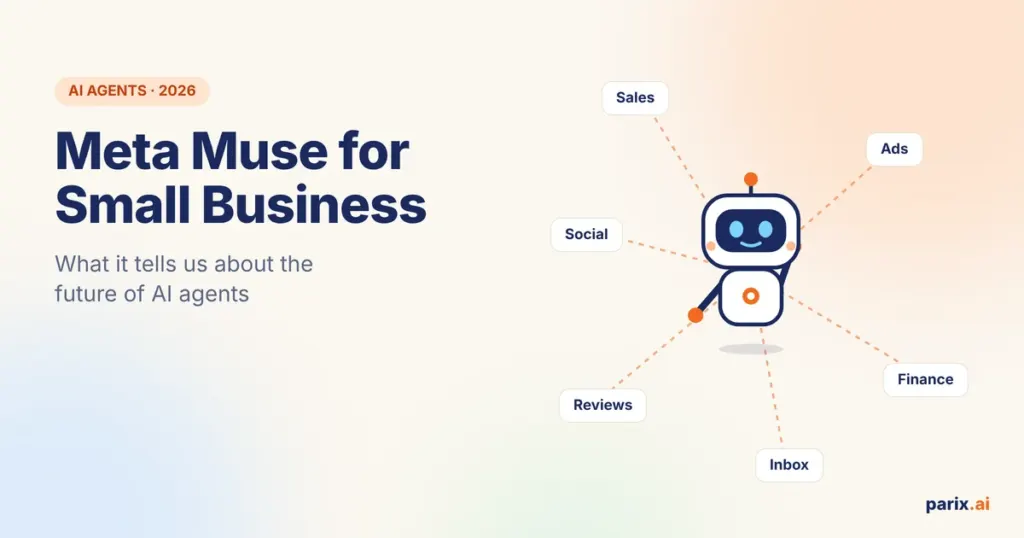
Meta Muse for Small Business: Pricing, Setup and What It Can Do
Meta Muse for Small Business explained: pricing, the 15 apps it connects to, setup steps, 3 tasks to try first and a 5-minute safety checklist. AI Automation
How to Automate Business Processes With AI: 8 Best Processes to Start With (2026)
Most teams lose hours every week to repetitive admin work. Learning how to automate business processes with AI is one of the fastest ways to cut costs, reduce errors, and free your people for work that actually needs a human.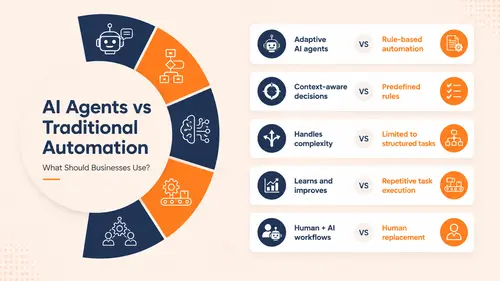 AI Automation
AI Agents vs Traditional Automation: What Should Businesses Use?
Traditional automation handles predictable, rule-based tasks, while AI agents handle interpretation, context, and multi-step decisions. This guide breaks down how they differ, when to use each, their real benefits and risks, and why a practical hybrid often works best for today's growing businesses.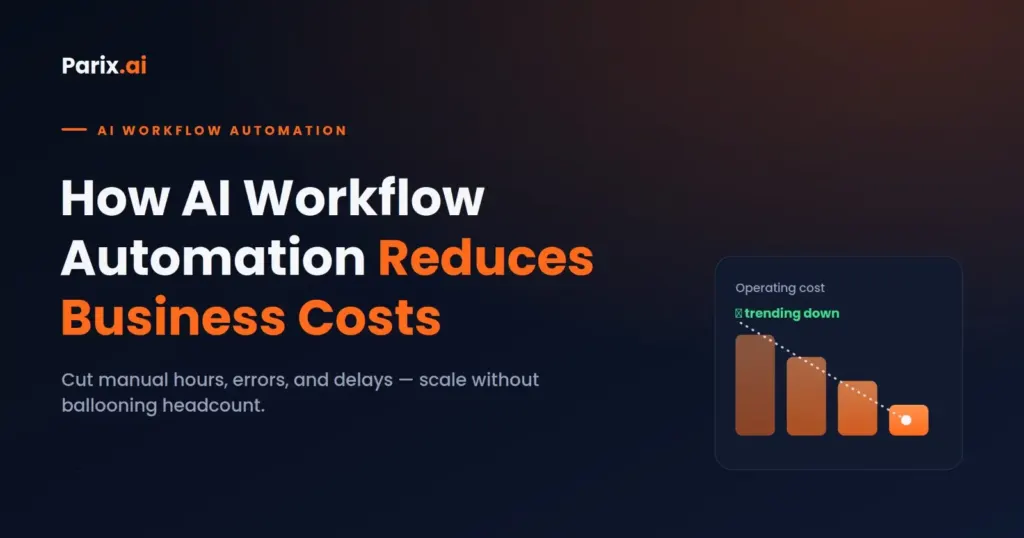 AI Automation
How AI Workflow Automation Reduces Business Costs: A Practical Guide for Growing Teams
Manual tasks quietly drain your budget every week. Learn how AI workflow automation reduces business costs by replacing manual hours, cutting errors, and removing delays — so the same team handles more without new hires. Includes real examples, key benefits, and simple ways to start saving. AI Automation
AI Automation Audit: 30 Questions to Ask Before You Automate Your Business
Before you automate anything, run this AI automation audit. Thirty honest questions across six areas — process, data, team, cost, risk, and strategy — to help you find what's genuinely worth automating and dodge an expensive mistake.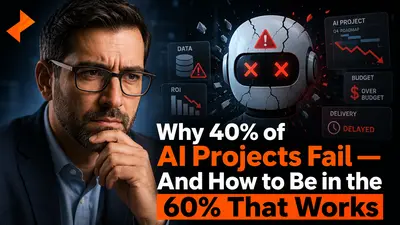 AI Automation
Why 40% of AI Projects Fail — And How to Be in the 60% That Works
By 2026 almost every business uses AI, yet most projects never deliver real value. Here's why AI projects fail — unclear ROI, broad scope, weak governance — and a practical, no-hype blueprint for being in the 60% that actually works. By 2026 almost every business uses AI, yet most projects never deliver real value. Here's why AI projects fail — unclear ROI, broad scope, weak governance — and a practical, no-hype blueprint for being in the 60% that actually works. AI Automation
How Much Does AI Automation Cost in 2026? Real Numbers, No Sales Call
What does it really cost to automate your business? This honest 2026 guide breaks down real price ranges, the savings you can expect, and how fast automation pays for itself — plus a free calculator to estimate your own project in under a minute. AI Automation
7 AI Automation Mistakes That Break Business Projects After Launch
Most AI automation projects look great in the demo and then quietly fail after launch. Here are the 7 AI automation mistakes behind those failures, from poor data and no governance to weak testing, and exactly how to avoid each one. AI Automation
AI Meeting Notes Are Useless If They Don’t Turn Into Tasks
AI meeting notes can capture what was discussed, but real productivity starts when notes become tasks with owners, deadlines, reminders, and progress tracking.Page 1 of 2 · 15 articles
Reading about it is one thing. Fixing it is another.
Tell us the problem in a sentence. We reply within one working day, and the first 30-minute call is free.
- No obligation
- No sales script
- Fixed price before any work